
Monthly Cash Flow Organization: Master Your Finances Every Month
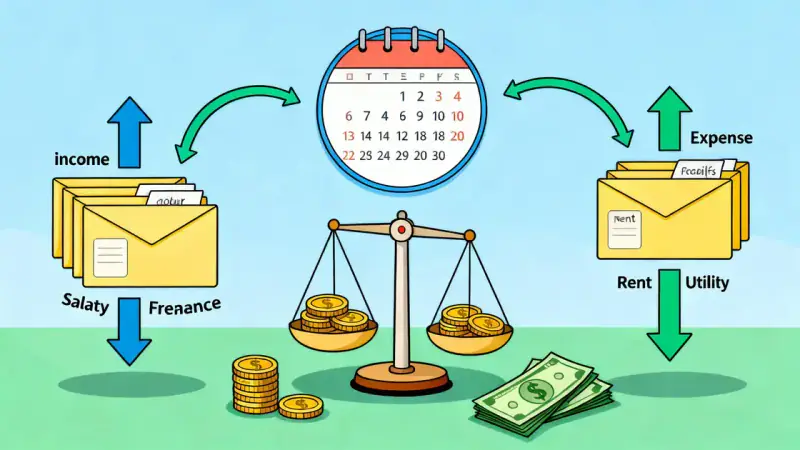
Imagine a life where you’re in full control of your finances—unexpected bills no longer spark anxiety, and you’re calmly shaping the future you want each month. This confidence is entirely possible through monthly cash flow organization techniques that empower people to take charge of their money with clarity and purpose.
Whether you’re seeking to achieve major financial goals or simply want to feel less stress when the end of the month rolls around, this guide will walk you through the principles and practical steps for organizing your cash flow each month. With the right mindset and some smart tools, you’ll discover the freedom and flexibility you’ve always wanted.
Understanding Monthly Cash Flow Organization
Cash flow refers to the movement of money into and out of your finances—your income, expenses, savings, and investments working in harmony. When you organize your monthly cash flow, you know exactly where your money is going, where it’s coming from, and how much is left after the bills are paid.
It’s not merely about having a budget. Effective cash flow organization is an ongoing, adaptive process—a way to anticipate, prepare for, and optimize your financial resources. This approach is proactive, not reactive, giving you power over your personal finances month after month.
Why Monthly Cash Flow Organization Matters
Have you ever gotten to the end of the month and wondered, “Where did it all go?” You’re not alone. Many people feel their money slips away despite the best intentions, leading to frustration, overdraft fees, or anxiety about upcoming expenses.
Here’s why a monthly cash flow system is transformative:
- Clarity and Confidence: You can see your financial landscape clearly and know your options.
- Preparedness for Surprises: Unexpected expenses won’t throw you off course.
- Consistent Progress: Steady, informed decisions help you reach financial goals.
- Freedom to Enjoy Life: When money is managed, you’re free to invest, save, and spend with joy.
Steps to Organize Your Monthly Cash Flow
Organizing your cash flow does not require complicated spreadsheets or fancy tools—though you can use them if you enjoy it. Let’s break down the core steps recommended by top financial advisors and successful individuals alike.
- List All Sources of Income – From salary and side hustles to investments, know your total monthly inflow.
- Track Every Expense – For at least one month, keep a detailed log of what you spend, both essentials and extras.
- Categorize and Compare – Group expenses into basic needs, wants, debts, and unpredictable costs. Then, subtract expenses from income to see what’s left.
- Plan for the Future – Assign any surplus to savings, investments, or larger financial goals, and prepare for known irregular expenses.
- Review and Adjust Regularly – Life changes, so revisit your flow each month and tweak as needed.
Simple Tools to Support Your Organization
From pen and paper to robust digital solutions, choose tools that align with your personality and goals. For some, a notebook is a comforting daily companion. For others, an app offers immediate insights.
Some effective tools include:
- Free budget worksheets
- Cash flow tracking apps
- Divided envelopes for spending categories
- Shared spreadsheets for couples or families
The right tool should support you in making a cash flow review part of your routine rather than a cumbersome chore.
Common Pitfalls and How to Avoid Them
Even with the best intentions, some habits can undermine your efforts. Awareness is the first step to lasting change.
Watch out for:
- Forgetting about annual or irregular expenses
- Assuming all “extra” money is for fun, not savings
- Letting minor purchases slip through untracked
- Being too rigid, leading to burnout or frustration
Inspirational Habits for Ongoing Success
Building a positive relationship with money is about more than tools or knowledge—it’s about creating supportive habits that nurture your emotional and financial wellbeing.
Try integrating these habits:
- Monthly reflection sessions – Set aside time to emotionally connect with your progress, celebrating wins and learning from setbacks.
- Automatic transfers – Make saving and investing effortless through scheduled deposits.
- Visual tracking – Use charts or vision boards to remind you of your goals and progress.
- Accountability partners – Share your journey with someone you trust for support and encouragement.
Over time, these routines can turn anxiety into empowerment and routine into fulfillment. You’ll create a new money story for yourself, one marked by strength and confidence.
Bonus: Monthly Cash Flow Planner (Template)
Many find it helpful to use a simple table or planner to organize their monthly inflow and outflow. Here’s a basic example you can personalize to your needs:
| Item | Amount | Date | Notes |
|---|---|---|---|
| Salary | $3,500 | 1st | Main income |
| Side gig | $300 | 15th | Freelance writing |
| Groceries | -$400 | Throughout month | Food and essentials |
| Rent | -$1,200 | 1st | Housing |
| Savings transfer | -$500 | 1st | Emergency fund |
Use this as a launchpad to create your own monthly overview—you’ll be surprised at how much clarity and motivation this simple visual can provide.
Start Your Journey to Financial Freedom
Monthly cash flow organization is more than a financial tactic—it’s a pathway to greater peace, security, and opportunity in your everyday life. With awareness, the right tools, and supportive habits, you’ll build a foundation for the life you want.
Embrace the process with curiosity and compassion for yourself. Every small win is a step closer to the freedom and confidence you deserve.