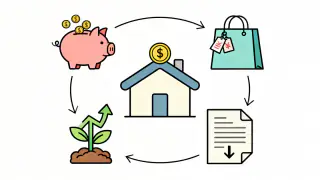
Building Long-Term Money Discipline: Key Steps Unveiled

Money discipline is not about strict rules or denying yourself every comfort. Instead, it is about building habits that help you manage income, control spending, and stay focused on your goals. When practiced consistently, financial discipline can reduce stress, improve planning, and create a more secure future.
In this guide, we will explore practical and realistic steps that help build long-term money discipline. These strategies focus on consistency, awareness, and better decision-making.
Understanding What Money Discipline Really Means
Money discipline refers to the ability to manage finances responsibly over a long period of time. It involves making thoughtful financial decisions instead of impulsive ones. This habit helps people stay focused on priorities even when faced with temporary temptations or unexpected expenses.
Financial discipline includes several behaviors such as budgeting, saving regularly, controlling unnecessary spending, and reviewing financial goals periodically. Each of these actions contributes to stronger financial habits.
Most importantly, money discipline is not built overnight. It develops gradually through small, consistent actions.
Step 1: Define Clear Financial Goals
The first step in building long-term money discipline is setting clear financial goals. Without a clear direction, it becomes difficult to stay motivated or measure progress.
Financial goals can be divided into short-term, medium-term, and long-term objectives. Short-term goals might include building a small emergency fund or paying off minor expenses. Medium-term goals could involve saving for education, travel, or home improvements. Long-term goals often focus on retirement planning or large investments.
When goals are clearly defined, financial decisions become easier because each action can be evaluated based on whether it supports those goals.
Step 2: Create a Realistic Budget
A budget acts as the foundation for financial discipline. It allows you to understand how money flows through your life and ensures that spending stays aligned with your priorities.
Start by listing your total monthly income. Then categorize expenses into essential costs such as housing, utilities, food, transportation, and healthcare. After covering these necessities, allocate funds for savings and other personal expenses.
A realistic budget should reflect your actual lifestyle. Overly restrictive budgets can be difficult to maintain, while balanced budgets are more sustainable over time.
Step 3: Develop Consistent Saving Habits
Saving money regularly is one of the strongest indicators of financial discipline. Even small contributions can make a significant difference when practiced consistently.
Many people find success by treating savings as a fixed expense rather than an optional activity. Setting aside a portion of income each month creates a steady pattern that supports long-term financial stability.
Over time, consistent saving can help build emergency funds, support major life goals, and reduce financial uncertainty.
Step 4: Control Impulsive Spending
One of the biggest obstacles to money discipline is impulsive spending. Unplanned purchases can slowly erode financial progress and create unnecessary stress.
To reduce impulsive spending, it can help to pause before making non-essential purchases. Giving yourself time to evaluate whether the purchase aligns with your financial priorities often leads to better decisions.
Planning purchases ahead of time and sticking to a shopping list are also simple techniques that support better spending habits.
Step 5: Track Your Financial Progress
Tracking financial progress is an important part of maintaining discipline. Monitoring income, savings, and expenses helps you understand whether your current habits are supporting your goals.
Regular financial reviews can reveal patterns in spending and highlight opportunities for improvement. Some people review their finances weekly, while others prefer a monthly review schedule.
These check-ins allow you to make adjustments early and stay aligned with your financial plan.
Step 6: Build an Emergency Fund
Unexpected events are part of life, and financial discipline includes preparing for those situations. An emergency fund acts as a safety net that helps protect your financial stability.
This fund is typically used for unforeseen expenses such as medical bills, urgent repairs, or temporary income disruptions. Having dedicated savings for emergencies reduces the need to rely on credit or loans during difficult moments.
Even modest emergency savings can provide significant peace of mind.
Step 7: Stay Patient and Consistent
Long-term money discipline requires patience. Financial progress often happens gradually rather than quickly. Many people expect immediate results, but the most meaningful improvements usually occur over time.
Consistency is more important than perfection. Small actions repeated regularly can produce powerful long-term outcomes.
Staying patient allows you to focus on steady progress rather than short-term setbacks.
Step 8: Continue Learning About Personal Finance
Financial knowledge plays an important role in maintaining discipline. The more you understand about budgeting, saving, and responsible money management, the easier it becomes to make informed decisions.
Reading articles, learning from reputable financial resources, and observing successful financial habits can strengthen your confidence and awareness.
Continuous learning helps individuals adapt their financial strategies as their life circumstances change.
Step 9: Create Healthy Money Habits
Habits shape long-term financial behavior. Building routines such as reviewing expenses weekly, updating budgets regularly, and planning purchases in advance can reinforce discipline.
These habits gradually become part of daily life, making responsible financial management feel natural rather than difficult.
Over time, healthy money habits create a stable financial foundation that supports both personal and family goals.
Strengthening Financial Discipline for the Future
Building long-term money discipline is a journey that develops through awareness, consistency, and thoughtful planning. While the process may require patience, the rewards can be significant.
By setting clear goals, maintaining a realistic budget, saving consistently, and reviewing financial progress regularly, individuals can create habits that support long-term stability.
Financial discipline is ultimately about making choices that protect your future while maintaining balance in the present. With the right approach and steady commitment, anyone can strengthen their financial habits and build a more secure financial path.