Household Financial Structure: Unlock Your Path to Prosperity
In today’s world, a solid household financial structure is more crucial than ever. Whether you’re just starting your journey or refining your family’s approach to money management, understanding and implementing a robust financial framework can mean the difference between chronic stress and a life of confidence, well-being, and opportunity.
This article will guide you step by step through building an inspiring and sustainable household financial structure. We’ll explore essential pillars and provide practical strategies, all designed to transform the way you experience, manage, and thrive with your personal finances.
What Is a Household Financial Structure?
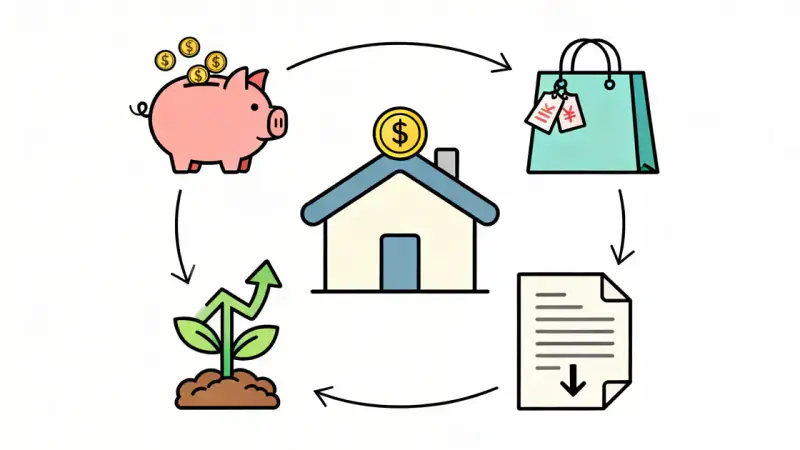
Simply put, a household financial structure is the system you create to organize, monitor, and guide your financial resources. It is the map by which your family navigates income, spending, saving, investing, and protection against risks. Just as every house needs a reliable foundation, every family needs financial stability rooted in clarity and intention.
Building a strong structure requires a blend of discipline, vision, and adaptability. No household is identical, so your financial framework should be tailored to your unique goals, needs, and circumstances.
The Pillars of a Solid Financial Foundation
There are several key pillars that uphold a resilient financial structure. Recognizing and reinforcing these can vastly improve your family’s well-being:
- Clear goals and priorities—knowing what you want comes first.
- Budgeting and expense control—track where the money flows.
- Savings and emergency funds—prepare for the unexpected.
- Investment and growth—make your money work for you.
- Risk management and protection—safeguard against life’s surprises.
These pillars, when intentionally developed, allow any family to withstand storms and celebrate milestones with peace of mind.
Tracking Income and Expenses Effectively
One of the most transformative steps in establishing a resilient household financial structure is mastering the art of tracking. It’s not about restriction, but empowering your choices and goals.
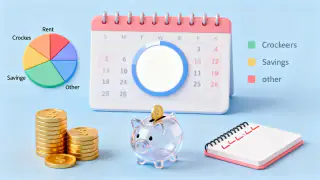
Begin by recording every source of income and each expense. Today, tools like apps and spreadsheets make this easier than ever. If you prefer, a simple notebook also works, as long as it’s consistent and clear.
After 30 days, analyze your numbers. Where can you cut back without sacrificing joy? Where are you habitually overspending? This knowledge forms the cornerstone of effective change.
Creating a Household Financial System That Actually Works
Having a plan is important, but making it work in daily life is what truly transforms your finances. A household financial structure should be simple enough to follow consistently, yet strong enough to support your long-term goals.
Start by assigning clear roles if you share finances with a partner or family. Decide who tracks expenses, who reviews bills, and how often you’ll sit down together to evaluate progress. Transparency and communication are essential to avoid misunderstandings and build trust.
Next, create a system that fits your lifestyle. This could be a budgeting app, a shared spreadsheet, or even a physical planner. The best system is not the most advanced one—it’s the one you’ll actually use every week.
Finally, schedule regular financial check-ins. A quick weekly review keeps things under control, while a deeper monthly session helps you adjust goals, celebrate wins, and correct any course deviations. These small, consistent actions turn your financial structure into a living system that evolves with you.
Saving and Investing for the Future
Saving isn’t just about stocking away what’s left after spending—it’s about making your future a priority today. The most successful families treat savings like a bill that must be paid, not an afterthought.
Designate a fixed percentage of your income to savings each month. Start with what you can; even small, consistent amounts grow over time.
Once your emergency fund—a safety net for 3-6 months of basic expenses—is solid, look into investment opportunities. These could be retirement accounts, mutual funds, or real estate. Diversification is key to long-term stability and growth. Seek resources and guidance to make informed choices.
Preparing for Financial Emergencies
No family is immune to setbacks. Job loss, medical bills, or unexpected home repairs can challenge even the best-laid plans. With a robust emergency fund and insurance policies (health, life, property), you’ll weather life’s uncertainties with confidence.
Update your plans regularly. As life evolves, so do risks. Proactively strengthen areas where you feel most vulnerable. The peace of mind that comes with preparedness is invaluable for your household’s resilience and security.
Cultivating Healthy Financial Habits
Habits shape our daily reality and our future. The most financially successful households practice ongoing habits such as reviewing budgets, discussing goals, and celebrating achievements.
Some practical habits to foster include:
- Set a weekly check-in for spending and goals
- Automate bill payments and savings transfers
- Celebrate reaching savings milestones
- Encourage open conversations about money
Remember: progress is more important than perfection. Even small improvements, repeated over time, create a powerful compound effect.
A Roadmap to Financial Peace of Mind
Building a lasting household financial structure is a journey, not a race. Each decision you make today helps create the future you desire. Begin with clarity, stay consistent, and allow flexibility as life unfolds.
Challenge yourself to envision what true financial well-being means for your household—not just in numbers, but in lived experience. Let your structure be a source of strength, freedom, and inspiration. Your path to prosperity is yours to shape—and it starts now.