
Creating a Monthly Financial Structure: Your Guide to Success
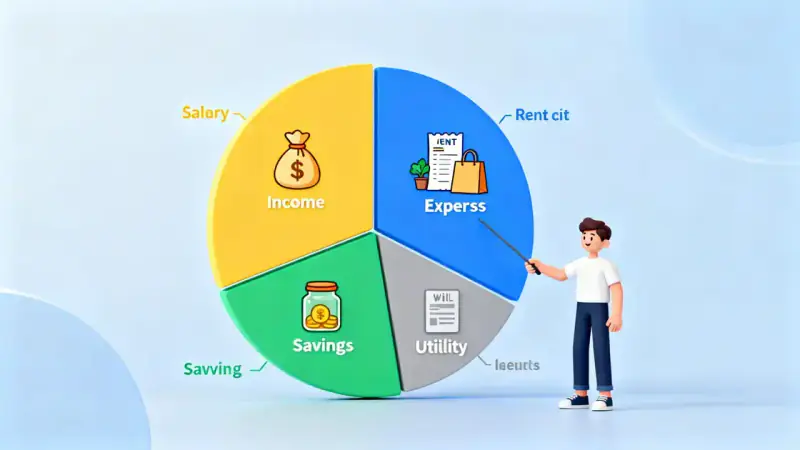
A monthly financial structure is essential for managing your finances effectively. It helps you understand where your money goes each month. This strategy empowers you to make informed decisions about your spending habits.
Incorporating a monthly financial structure can lead to significant financial benefits. You will gain better control over your budget and savings. This method is ideal for anyone looking to improve their financial health.
Keep reading to discover strategies that can make your financial planning simpler and more effective!
Understanding Monthly Financial Structure
Understanding monthly financial structure is important for managing your money wisely. This framework allows you to organize income, expenses, and savings effectively.
A solid financial structure ensures that you know where your money goes each month. With clarity, planning becomes much easier.
Many people benefit from creating a budget based on their financial structure. It helps avoid unnecessary debt and promotes better financial choices.
Steps to Create Your Financial Framework
Creating your financial framework starts with knowing your income. This includes all the money you receive regularly and any extra funds. Understanding your total income helps you budget properly.
Next, list all your expenses. These can be fixed, like rent, and variable, like groceries. Knowing these numbers is critical for accurate budgeting.
After listing income and expenses, it’s essential to set realistic savings goals. Aim for a certain percentage of your income to put aside each month.
Setting Financial Goals for Each Month
Setting financial goals for each month is important for keeping your budget on track. Having clear goals helps you stay focused on your spending and saving. Without goals, it can be hard to reach your financial dreams.
To start, write down specific goals based on your needs. Consider your expenses, savings, and any debts. This process makes it easier to know what you want to achieve each month.
Lastly, review your goals regularly. Adjust them as needed to reflect any changes in your financial situation.
Tracking Your Monthly Expenses Efficiently
Tracking your monthly expenses efficiently is vital for maintaining a solid budget. It allows you to see where your money is going. This helps you make smarter financial choices each month.
Start by keeping a record of all your expenses. Use a notebook, spreadsheet, or an app. This way, you can easily categorize your spending.
Regularly review your expenses to find patterns. This can help you spot areas to save money and improve your financial habits.
Adjusting Your Budget as Necessary
Adjusting your budget as necessary is essential for successful financial management. Life can change quickly, and so can your financial needs. Being flexible allows you to respond to these changes effectively.
Start by reviewing your budget regularly. This helps you identify areas where you might need to cut back or reallocate funds. Staying aware of your finances helps you make better adjustments.
Ultimately, an adaptable budget helps ensure you stay on track with your financial goals, even when unexpected expenses arise.
Benefits of a Strong Financial Structure
A strong financial structure is key to managing your money wisely. It provides clarity and control over your finances, helping you make better decisions. This solid foundation makes it easier to track income, expenses, and savings.
With a robust financial structure, you can set realistic goals. These goals guide your spending and saving habits. As a result, you will find it easier to reach your financial objectives.
Moreover, strong financial structure reduces stress. Knowing where your money goes helps you feel more secure about your financial future.
Common Mistakes to Avoid
Avoiding common mistakes in budgeting is crucial for financial success. Many people make errors that can derail their efforts. Recognizing these pitfalls helps you build a stronger financial future.
One mistake is failing to track spending. Without knowing where your money goes, it’s easy to overspend. Additionally, neglecting to adjust your budget as expenses change can lead to problems.
Another common issue is setting unrealistic goals. Aim for achievable targets to stay motivated and on course. Avoiding these mistakes can make budgeting much more effective.
Utilizing Financial Tools and Apps
Utilizing financial tools and apps can make managing your money easier and more efficient. These resources help track income, expenses, and savings all in one place. With the right tools, you can stay organized and motivated to reach your financial goals.
Many financial apps offer features like budgeting, expense tracking, and goal setting. These functions help users analyze their spending habits and make informed decisions.
Furthermore, some tools allow you to sync with your bank accounts automatically. This helps you get real-time updates on your finances.
Reviewing Your Financial Structure Regularly
Reviewing your financial structure regularly is important for maintaining control over your finances. This practice helps you identify trends, spot any issues, and make necessary adjustments. Regular reviews keep your financial goals on track amidst changes in income or expenses.
Check your budget at least once a month. Look for any areas where you overspend and make notes for improvement. This consistent assessment allows you to adapt to your financial situation.
Moreover, regular reviews improve your financial awareness. Understanding your financial habits can lead to better decision-making in the future.