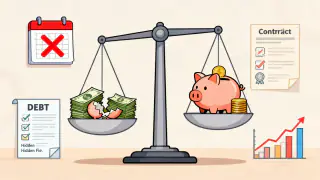
When borrowing money, one of the most important decisions involves the type of interest rate attached to the loan. Interest rates determine the cost of borrowing and directly affect monthly payments and the total amount repaid over time. Two of the most common options borrowers encounter are fixed interest rates and variable interest rates.
Understanding the difference between these two structures can help borrowers make more informed financial decisions. Each option has advantages and potential drawbacks depending on a person’s financial goals, risk tolerance, and the type of loan being considered.
This guide explains how fixed and variable interest rates work, their main differences, and factors to consider when choosing between them.
What Is an Interest Rate?
An interest rate represents the cost of borrowing money from a lender. When a borrower receives a loan, the lender charges interest as compensation for providing those funds. The interest rate is usually expressed as a percentage of the loan amount.
The interest rate influences how much the borrower pays over time. Even small differences in interest rates can significantly impact the total repayment cost, especially for loans with longer terms.
Because interest rates affect the affordability and predictability of loan payments, it is important to understand how they function before agreeing to a loan.
What Is a Fixed Interest Rate?
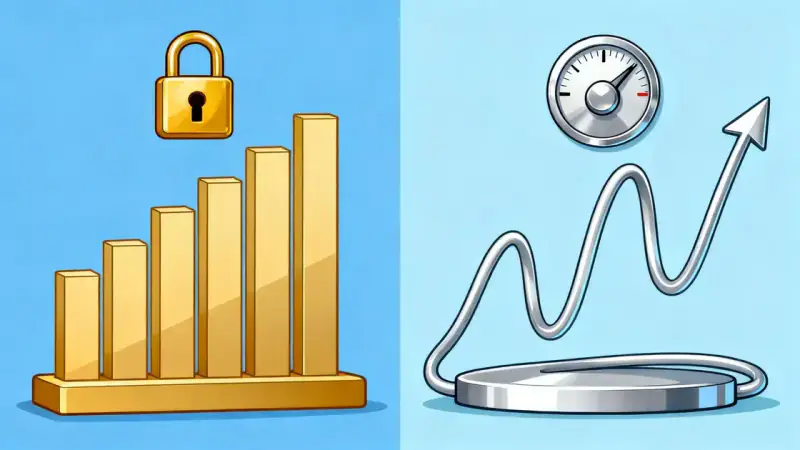
A fixed interest rate remains the same throughout the entire life of the loan. Once the loan agreement is signed, the rate does not change regardless of market conditions or economic fluctuations.
This means that the borrower’s monthly payment generally stays consistent over the repayment period. Many borrowers appreciate this stability because it makes budgeting easier and reduces uncertainty about future costs.
Fixed rates are commonly used in personal loans, mortgages, and auto loans, particularly when borrowers want predictable long-term payments.
Advantages of Fixed Interest Rates
One of the main advantages of fixed interest rates is predictability. Because the rate remains constant, borrowers know exactly how much they will pay each month for the entire loan term.
This stability can be especially helpful for long-term financial planning. Fixed payments make it easier to manage household budgets and avoid surprises caused by changing interest rates.
Fixed rates also provide protection if market interest rates increase in the future. In that situation, borrowers with fixed-rate loans continue paying the same rate they originally agreed upon.
Potential Drawbacks of Fixed Interest Rates
While fixed interest rates provide stability, they may sometimes start slightly higher than variable rates at the beginning of a loan. Lenders often price fixed rates higher because they assume the risk of potential interest rate increases over time.
As a result, borrowers may initially pay more compared to variable-rate options if market rates remain stable or decline.
However, many borrowers accept this trade-off in exchange for predictable and stable loan payments.
What Is a Variable Interest Rate?
A variable interest rate, sometimes called an adjustable rate, can change over time based on market conditions. These rates are typically tied to a benchmark interest rate or financial index that fluctuates with economic trends.
Because the underlying benchmark can move up or down, the interest rate applied to the loan may also change periodically. When the rate changes, the borrower’s monthly payment may increase or decrease accordingly.
Variable interest rates are often used in certain mortgages, lines of credit, and some personal loan products.
Advantages of Variable Interest Rates
Variable interest rates often start lower than fixed rates, which can make the loan more affordable at the beginning. Lower initial payments may provide greater flexibility for borrowers with limited budgets.
If market interest rates decline, borrowers with variable-rate loans may benefit from reduced interest charges and lower monthly payments.
In some cases, variable-rate loans may be suitable for borrowers who plan to repay their loans quickly or expect interest rates to remain stable.
Potential Risks of Variable Interest Rates
The main risk associated with variable interest rates is uncertainty. Because the rate can change over time, monthly payments may increase if market interest rates rise.
This unpredictability can make budgeting more difficult, particularly for borrowers with tight financial margins. A significant rate increase could lead to higher payments than originally expected.
Some variable-rate loans include limits, often called caps, that restrict how much the interest rate can increase within a specific period. Understanding these limits is important before choosing a variable-rate loan.
Factors to Consider When Choosing Between Fixed and Variable Rates
Several factors can influence whether a fixed or variable interest rate is more suitable. One important consideration is financial stability. Borrowers who prefer predictable payments may feel more comfortable with fixed rates.
Another factor is the expected length of the loan. For long-term loans, fixed rates often provide greater security against potential rate increases. For shorter-term loans, variable rates may offer lower initial costs.
Economic conditions may also play a role. When interest rates are relatively low, some borrowers prefer locking in a fixed rate. Others may choose variable rates if they expect market rates to decline.
How Interest Rates Affect Total Loan Cost
Regardless of the type of interest rate chosen, the rate has a direct effect on the total cost of borrowing. Higher interest rates increase the amount paid over time, while lower rates reduce overall borrowing costs.
Borrowers should review both the interest rate and the annual percentage rate (APR), which often includes additional fees associated with the loan. Comparing these figures helps provide a clearer understanding of the total financial commitment.
Carefully evaluating loan terms can help borrowers select an option that aligns with their financial capacity and goals.
Review Loan Terms Carefully
Before agreeing to any loan, it is important to review all terms and conditions in the loan agreement. Borrowers should understand how interest is calculated, when rate adjustments may occur, and whether any limits apply to variable-rate changes.
Other factors such as fees, repayment periods, and early repayment conditions can also affect the total borrowing experience.
Taking time to review these details helps prevent misunderstandings and allows borrowers to make more confident financial decisions.
Making the Right Choice for Your Situation
There is no universal answer to whether fixed or variable interest rates are better. The right choice depends on individual financial circumstances, risk tolerance, and long-term plans.
Borrowers who value stability and predictable payments often prefer fixed rates. Those who are comfortable with potential fluctuations and want lower initial rates may consider variable options.
Carefully evaluating personal financial goals, income stability, and loan terms can help determine which option best supports long-term financial well-being.
Choosing Wisely for Financial Confidence
Understanding the difference between fixed and variable interest rates is an important step in responsible borrowing. Each option offers unique benefits and potential risks that should be considered carefully.
By learning how these interest structures work and comparing loan offers thoughtfully, borrowers can choose the option that best aligns with their financial goals and risk preferences.
Informed decisions about interest rates can help borrowers maintain financial stability and manage loan repayments with greater confidence.