Personal Finance Roadmap: A Step-By-Step Guide to Your Success
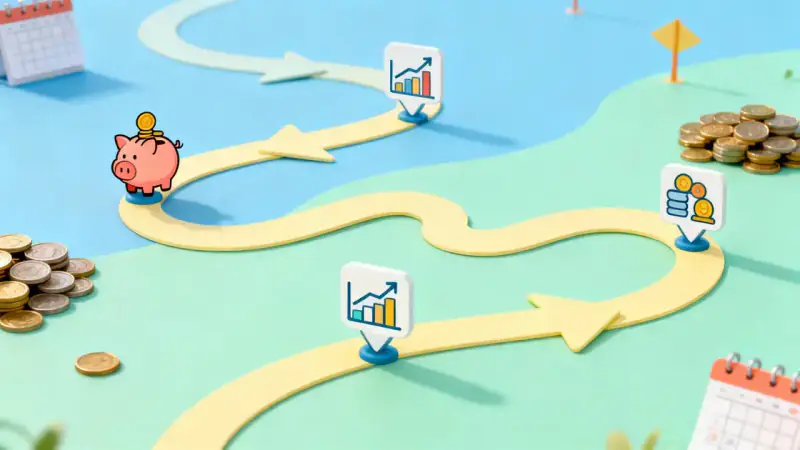
Imagine having a clear path that guides you through every significant financial decision in life. A personal finance roadmap empowers you to not only handle your money effectively but also achieve dreams you may have thought out of reach.
This journey is not just about numbers—it’s about taking control, building confidence, and transforming your relationship with money. Let’s dive deep into an inspiring, practical guide that encourages you to take meaningful steps on your financial journey.
Why You Need a Personal Finance Roadmap
Without direction, even the most talented travelers can get lost. Navigating personal finance without a roadmap is no different. It’s tempting to rely on guesswork or hope things will work out, but uncertainty often leads to missed opportunities and unnecessary stress.
A personal finance roadmap is your custom navigation system. It helps you understand where you are, define where you want to go, and chart the best way forward. With clarity comes motivation—and the peace of mind that each step is moving you closer to your goals.
Laying the Groundwork: Assessing Where You Stand
To create a meaningful roadmap, you first need a thorough understanding of your current position. This begins with honestly evaluating your entire financial picture.
Start by documenting:
- Your monthly income after taxes
- All regular and irregular monthly expenses
- Outstanding debts, including interest rates
- Savings and investments you currently hold
Many people are surprised by what they discover when they complete this exercise. Sometimes, seeing the reality in numbers is the spark needed for false beliefs about your finances challenged, leading to greater resolve and intentional change.
Setting Goals That Motivate and Excite
Goals are powerful motivators, especially when they are clear and inspiring. On your personal finance roadmap, set both short-term and long-term goals. These can include:
- Building an emergency fund of three to six months’ expenses
- Paying off all high-interest debt within a specific timeframe
- Investing a set percentage of your income for retirement
- Saving for a down payment on a home
The key is to make your goals as specific, measurable, and realistic as possible. Visualizing success at each milestone keeps you excited and engaged on your journey.
Constructing a Budget That Reflects Your Values
A budget is the foundation of any personal finance roadmap. Rather than viewing it as restrictive, see it as your ticket to intentionally directing your resources toward your highest priorities.
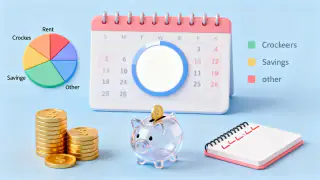
Begin by differentiating between needs and wants. Allocate funds for essentials first—housing, food, transportation, utilities, insurance, and debt payments. Assign portions of your income to variable spending categories and set planned savings goals.
A helpful breakdown might look like this:
| Category | Recommended % of Income |
|---|---|
| Essentials (rent, groceries, utilities) | 50-60% |
| Savings & Debt Repayment | 20-30% |
| Discretionary Spending | 10-20% |
Adjust as needed, but be sure your budget aligns with long-term aspirations and daily needs. The most successful plans are those that reflect what truly matters to you.
Mastering the Art of Consistent Saving
Saving regularly is the cornerstone of financial security and growth. Automate your savings where possible—this removes the temptation to spend and ensures you’re always moving toward your goals.
To make saving more manageable:
- Pay yourself first—treat savings like a fixed expense
- Start small and increase amounts over time
- Open separate accounts for emergency funds, short-term, and long-term goals
Every small act of saving brings you closer to real financial freedom and peace of mind.
Paying Down Debt Efficiently and Intentionally
Debt can feel overwhelming, but a roadmap helps you conquer it strategically. List your debts, their balances, and interest rates. Decide whether to pay off the smallest balances first (the “snowball” method) or tackle the highest interest rates (the “avalanche” strategy).
Every debt you pay off is a victory—each one a marker of big progress and renewed confidence.
Investing: Planting Seeds for Your Future
Investing is where your money starts working for you. Once you’ve built an emergency fund and managed high-interest debts, focus on investment strategies that suit your goals and risk tolerance. Whether it’s through retirement accounts, mutual funds, or individual stocks, time in the market is your greatest ally.
If you’re unsure where to start, consider diversifying through low-cost index funds and gradually building your portfolio. Remember, steady contributions can lead to remarkable growth over time.
Nurturing the Right Mindset for Ongoing Success
The journey to financial wellness is not always linear. Challenges will arise, and some months will be harder than others. What truly separates those who succeed is their commitment to perseverance, flexibility, and growth.
Surround yourself with positive influences, practice gratitude for progress, and regularly revisit your personal finance roadmap. Celebrate milestones, however small, and remain adaptable when life changes. With every step, you’re building more than wealth—you’re creating a life of opportunity and fulfillment.
Your Future, Your Roadmap
A personal finance roadmap is more than a tool; it’s a testament to your belief in your future. No matter where you start, the most important step is the one you take today. Commit to the journey, trust yourself, and let every decision move you one step closer to your most ambitious dreams.
Remember: transformation begins with a single step. Your path to lasting wealth and freedom can start right now.