Loans can be useful financial tools when managed responsibly. They allow individuals to access funds for important needs such as education, home improvements, unexpected expenses, or consolidating existing debts. However, before taking a loan, it is essential to understand one of its most important components: the repayment period.
The repayment period determines how long a borrower has to pay back the borrowed money. This timeframe directly affects monthly payments, the total interest paid, and the overall cost of the loan. Many borrowers focus only on the loan amount or interest rate, but the repayment period can significantly influence the long-term financial impact of borrowing.
Learning how loan repayment periods work can help borrowers make better financial decisions, choose appropriate loan terms, and maintain greater control over their budgets.
What Is a Loan Repayment Period?
A loan repayment period, often called the loan term, is the length of time a borrower has to repay the loan according to the agreed terms. During this period, the borrower makes regular payments—usually monthly—until the balance is fully paid.
Each payment typically includes two parts: the principal and the interest. The principal is the amount originally borrowed, while the interest is the cost charged by the lender for providing the loan.
Repayment periods can vary widely depending on the type of loan, the lender’s policies, and the borrower’s financial profile. Some loans may be repaid within a few months, while others may extend over several years.
How Repayment Periods Affect Monthly Payments
The length of the repayment period has a direct impact on the amount of each monthly payment. Shorter repayment periods generally lead to higher monthly payments because the borrowed amount must be repaid in less time.
On the other hand, longer repayment periods typically result in lower monthly payments. While this may seem more affordable in the short term, it often leads to paying more interest over the life of the loan.
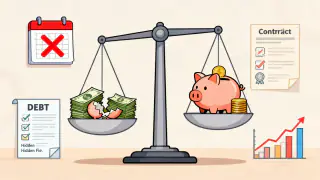
Choosing the right repayment period involves balancing monthly affordability with the total cost of borrowing. Borrowers should consider both factors before committing to a loan agreement.
Short-Term vs. Long-Term Loan Repayment
Loan repayment periods are often categorized as short-term or long-term. Each option has its own advantages and potential drawbacks.
Short-term repayment periods usually require higher monthly payments but allow borrowers to pay off the loan faster. Because interest accumulates for a shorter period, the total interest cost is often lower.
Long-term repayment periods reduce monthly payment amounts, which can make the loan easier to manage within a monthly budget. However, interest continues accumulating over a longer timeframe, increasing the total amount repaid.
Borrowers should evaluate their income, financial stability, and long-term goals when deciding between these options.
The Role of Interest in Repayment Periods
Interest plays a major role in determining the total cost of a loan. The longer the repayment period, the more time interest has to accumulate. Even with a relatively low interest rate, extending the repayment period can significantly increase the overall cost.
For example, two loans with the same interest rate and principal may have very different total costs if their repayment periods differ. A shorter repayment period may result in higher monthly payments but lower total interest paid.
Understanding this relationship helps borrowers make more informed financial decisions when choosing loan terms.
Amortization and Payment Structure
Many installment loans follow an amortization schedule. This means that each payment is structured so that the loan is fully paid off by the end of the repayment period.
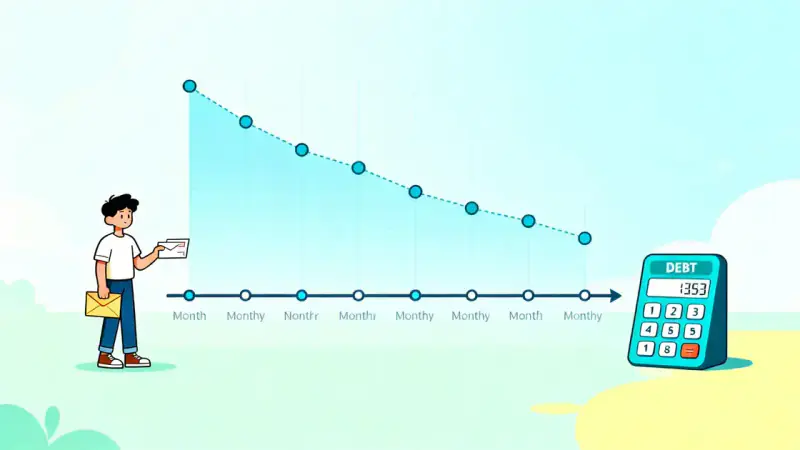
At the beginning of the loan, a larger portion of each payment typically goes toward interest, while a smaller portion reduces the principal balance. As time passes and the balance decreases, more of each payment goes toward reducing the principal.
This gradual shift helps ensure that the loan balance steadily declines until it is completely repaid.
Choosing the Right Repayment Period
Selecting an appropriate repayment period requires careful consideration of personal finances. Borrowers should evaluate their income stability, monthly expenses, savings goals, and other financial commitments.
A repayment period that is too short may result in payments that strain the monthly budget. On the other hand, choosing a very long repayment period may increase the overall cost unnecessarily.
Many borrowers aim to find a balanced solution that keeps monthly payments manageable while minimizing long-term interest expenses.
Flexibility and Early Repayment
Some loan agreements allow borrowers to repay the loan earlier than scheduled. Early repayment can reduce the total interest paid because the loan balance decreases faster.
However, borrowers should review the loan agreement carefully to determine whether any prepayment fees apply. Some lenders may charge a fee for paying off a loan ahead of schedule.
If early repayment is allowed without penalties, borrowers may benefit from making additional payments whenever possible.
How Repayment Periods Affect Financial Planning
Loan repayment periods play a significant role in personal financial planning. Monthly loan payments become part of a household’s regular expenses and can affect the ability to save, invest, or manage other financial responsibilities.
Before accepting a loan, borrowers should consider how the repayment schedule fits within their broader financial goals. This includes evaluating how loan payments may impact savings plans, emergency funds, and future financial flexibility.
A well-chosen repayment period can help maintain financial balance while meeting borrowing needs.
Common Mistakes When Choosing Repayment Periods
Some borrowers make the mistake of focusing only on achieving the lowest possible monthly payment. While lower payments may seem attractive, extending the repayment period excessively can increase total borrowing costs.
Another common mistake is choosing a repayment period that requires payments too high for the borrower’s budget. This can increase the risk of missed payments or financial stress.
Careful planning and realistic budgeting can help borrowers avoid these common pitfalls.
Tips for Managing Loan Repayments Successfully
Managing loan repayments effectively begins with understanding the terms of the loan agreement. Borrowers should review payment schedules, interest rates, and any associated fees before committing to a loan.
Setting up automatic payments or reminders can help ensure that payments are made on time. Maintaining an organized budget can also help borrowers plan for monthly obligations.
When financial circumstances change, contacting the lender early may help identify potential solutions or alternative payment arrangements.
Taking Control of Your Financial Future
Understanding how loan repayment periods work is an important step toward responsible borrowing. The repayment term influences monthly payments, total interest costs, and long-term financial stability.
By carefully evaluating repayment options and aligning them with personal financial goals, borrowers can make more confident and informed decisions. Loans can serve as useful financial tools when chosen thoughtfully and managed responsibly.
With proper planning and awareness, individuals can use loan repayment strategies to maintain financial balance and work toward a stronger financial future.