Personal loans are one of the most common financial tools used by individuals who need access to funds for various purposes. Whether someone is covering an unexpected expense, consolidating debt, making a large purchase, or financing a personal project, personal loans can offer a structured way to borrow money and repay it over time.
However, before applying for any type of loan, it is important to understand how personal loans work. Borrowing money without fully understanding the terms, costs, and responsibilities can lead to financial challenges later. A well-informed borrower is better prepared to choose the right loan option and manage repayments effectively.
This guide explains the key aspects of personal loans, including how they function, what lenders evaluate, how repayments work, and what borrowers should consider before applying.
What Is a Personal Loan?
A personal loan is a type of installment loan that allows individuals to borrow a specific amount of money from a lender and repay it over a fixed period of time. The repayment typically occurs through regular monthly payments that include both the principal amount borrowed and interest.
Unlike some other types of loans that must be used for a specific purpose, personal loans are often flexible. Borrowers may use the funds for many reasons, such as medical expenses, home improvements, travel, education costs, or consolidating existing debts.
The amount a person can borrow usually depends on factors such as income, credit history, financial stability, and the lender’s policies.
How Personal Loans Work
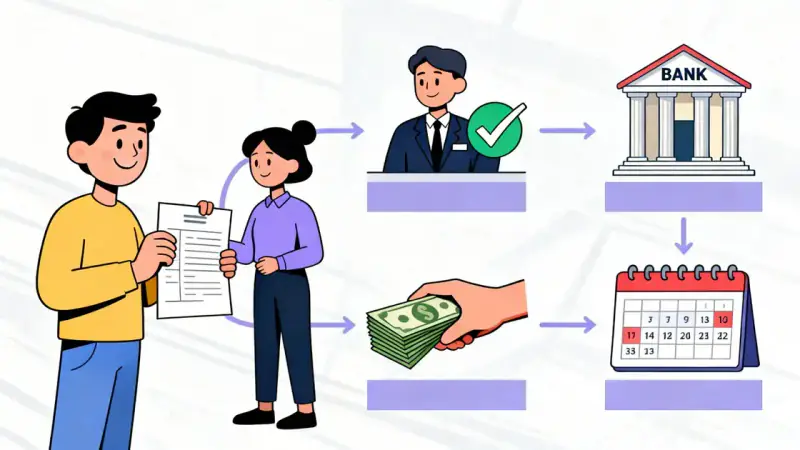
When a borrower applies for a personal loan, the lender reviews several financial factors to determine whether the loan will be approved and under what terms. If approved, the borrower receives the loan amount either as a lump sum deposit into their bank account or through another agreed method.
After receiving the funds, the borrower begins making scheduled payments according to the loan agreement. These payments are typically made monthly and continue until the loan balance is fully repaid.
Each payment usually includes two components: a portion that reduces the original amount borrowed (the principal) and a portion that covers the interest charged by the lender for providing the loan.
Secured vs. Unsecured Personal Loans
Personal loans generally fall into two categories: secured and unsecured loans.
Unsecured personal loans do not require collateral. Approval is based primarily on the borrower’s creditworthiness, income, and financial profile. Because there is no asset backing the loan, lenders may charge higher interest rates to compensate for the increased risk.
Secured personal loans require the borrower to provide an asset as collateral, such as a vehicle or savings account. If the borrower fails to repay the loan, the lender may have the right to claim the collateral. Because the lender assumes less risk, secured loans may sometimes offer lower interest rates.
Understanding the difference between these options helps borrowers evaluate which type of loan best fits their financial situation.
Understanding Interest Rates
Interest is the cost of borrowing money. When a lender provides a personal loan, interest is charged as compensation for the use of those funds. The interest rate can vary depending on several factors, including the borrower’s credit profile, the loan term, market conditions, and the lender’s policies.
Many lenders express the total cost of borrowing through the annual percentage rate (APR). The APR includes both the interest rate and certain fees associated with the loan, providing a clearer picture of the overall cost.
Borrowers should carefully compare interest rates and APRs when evaluating loan offers, as even small differences can significantly affect the total amount repaid over time.
Loan Terms and Repayment Periods
The loan term refers to the length of time a borrower has to repay the loan. Personal loan terms can vary widely, often ranging from one to several years depending on the lender and loan amount.
Shorter loan terms typically result in higher monthly payments but lower total interest costs because the loan is repaid more quickly. Longer loan terms may offer lower monthly payments, but they often lead to higher overall interest expenses.
Choosing the right loan term requires balancing affordability with the total cost of borrowing.
How Lenders Evaluate Loan Applications
When reviewing a personal loan application, lenders analyze several financial indicators to determine risk. Some of the most common factors include credit history, current income, employment stability, existing debt obligations, and overall financial behavior.
A strong credit profile and stable income often increase the likelihood of approval and may lead to more favorable loan terms. On the other hand, limited credit history or high existing debt may affect the interest rate offered or the loan amount available.
Different lenders may weigh these factors differently, which is why loan offers can vary between institutions.
Common Uses for Personal Loans
Personal loans are used for a wide variety of purposes. Some borrowers use them to consolidate multiple debts into a single monthly payment. Others use them to cover unexpected expenses such as emergency repairs or medical bills.
Some people choose personal loans to finance planned expenses like home improvements, educational costs, or special events. Because these loans typically provide funds in a lump sum, they can help cover larger expenses that might be difficult to pay for immediately.
Regardless of the purpose, borrowers should ensure that the loan aligns with their financial capacity and repayment plan.
Fees Associated With Personal Loans
In addition to interest, some personal loans include various fees that can affect the total borrowing cost. These may include origination fees, processing fees, late payment penalties, and sometimes prepayment fees.
An origination fee is often charged by lenders to cover administrative costs related to issuing the loan. Late payment fees may apply if a borrower misses a scheduled payment.
Reviewing the loan agreement carefully helps borrowers understand all associated costs before committing to the loan.
Advantages of Personal Loans
Personal loans can provide several potential benefits when used responsibly. One advantage is the predictable repayment schedule. Fixed monthly payments make it easier for borrowers to plan their finances and manage their budget.
Another advantage is flexibility. Many personal loans allow borrowers to use funds for a variety of purposes, giving individuals more control over how the money is used.
Personal loans may also help some borrowers consolidate existing debts, potentially simplifying financial management by combining multiple payments into one.
Potential Risks to Consider
While personal loans can be useful, they also involve responsibilities and risks. Borrowers must commit to making regular payments over the agreed loan term. Missing payments can lead to additional fees and may negatively affect credit history.
Borrowing more than necessary or choosing an unaffordable repayment plan can create financial pressure. This is why it is important to evaluate personal finances carefully before applying for a loan.
Responsible borrowing means ensuring that monthly payments fit comfortably within the household budget.
Tips Before Applying for a Personal Loan
Before applying for a personal loan, it is helpful to take a few preparatory steps. Reviewing personal finances and determining exactly how much money is needed can prevent unnecessary borrowing.
Comparing multiple lenders is also an important step. Different institutions may offer different interest rates, repayment terms, and fee structures. Taking the time to review options can help borrowers find a loan that best fits their financial needs.
It is also wise to read the loan agreement carefully and ensure that all terms and conditions are clearly understood before signing.
Making Responsible Borrowing Decisions
Personal loans can serve as helpful financial tools when used thoughtfully and responsibly. Understanding how they work allows borrowers to make more informed choices and avoid common borrowing mistakes.
Carefully evaluating loan terms, comparing offers, and ensuring that repayment fits comfortably within a budget are essential steps in responsible borrowing. When approached with planning and awareness, personal loans can support financial goals without creating unnecessary financial strain.
By learning how personal loans function and preparing before applying, individuals can navigate borrowing decisions with greater confidence and financial stability.