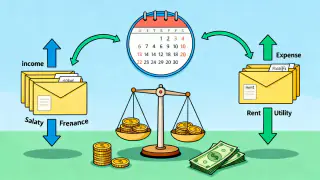
How to Build Better Spending Awareness: Simple Tips

How to build better spending awareness is crucial for financial stability. Learning to track and understand expenses can empower individuals to make informed choices. This approach not only aids in managing funds effectively but also paves the way toward achieving financial goals.
Many people struggle to keep track of their finances, often leading to debt or overspending. By enhancing spending awareness, it’s possible to gain control over your money and improve financial health. But how do you start?
Continue reading to discover effective strategies for building better spending awareness and take charge of your financial future!
Understanding Spending Awareness
Understanding spending awareness is the first step toward better financial health. It involves knowing where your money goes each month. Many people are surprised when they track their expenses.
Spending awareness helps identify habits that can be improved. This knowledge lets individuals make smarter choices and avoid debt.
Being mindful of spending can lead to positive outcomes. These include saving more money and reducing financial stress.
The Importance of Budgeting
The importance of budgeting cannot be overstated in personal finance. A budget helps track income and expenses, ensuring that spending aligns with financial goals. It serves as a roadmap for managing money wisely.
Without a budget, it’s easy to lose track of spending. This can lead to unnecessary debt or running out of money before the month ends.
Effective budgeting leads to better financial stability. It allows individuals to save for emergencies, plan for larger purchases, and reduce stress related to money.
Steps to Track Your Spending
Tracking your spending is essential for financial health. It allows you to see where your money goes and helps identify areas for improvement. By maintaining an accurate record, you can make better financial decisions.
To start tracking spending, you can use various methods. This can include apps, spreadsheets, or even a simple notebook. Choose what works best for you.
Being consistent and reviewing your expenses regularly is key. This simple practice can lead to significant savings over time.
Using Technology to Manage Finances
Using technology to manage finances is becoming increasingly popular. Many apps help track spending, create budgets, and set savings goals. Technology simplifies the whole process and makes it easier to stay organized.
By accessing financial tools online, you can get real-time updates on your money. This instant access allows you to make informed decisions quickly.
Technology can also help automate savings. Setting up automatic transfers to savings accounts ensures you save without extra effort.
Tips for Reducing Unnecessary Expenses
Reducing unnecessary expenses is key to healthier finances. Many people spend money on things they don’t need. By identifying these costs, you can free up cash for important goals.
Start by examining your spending habits. Monthly subscriptions or dining out too much may be areas to cut back. Small changes can add up to big savings.
Creating a list of priorities can guide better spending. Focus on what truly enhances your life.
How to Set Financial Goals
Setting financial goals is essential for achieving financial security. Goals provide direction and motivation. When you know what you’re working toward, it’s easier to make smart financial decisions.
Start by identifying what you want to achieve. This could be saving for a car, paying off debt, or building an emergency fund. Make sure your goals are specific and realistic.
It helps to break larger goals into smaller, actionable steps. This can make progress easier to track and keep you motivated.
The Role of Financial Education
The role of financial education is vital in today’s world. It equips individuals with the knowledge to make informed financial decisions. Understanding money management helps people plan for their future.
Financial education covers topics like budgeting, saving, investing, and debt management. Knowledge in these areas can lead to financial independence and security.
Improving financial literacy can decrease anxiety about money. It also encourages responsible spending and smart saving practices.
Finding Resources for Better Awareness
Finding resources for better awareness is essential for financial health. Many reliable sources offer valuable information on managing money. Accessing these resources can help you make more informed decisions.
Websites, libraries, and community centers often provide free financial education materials. Online courses and workshops can also enhance your skills in budgeting and spending.
Local nonprofit organizations may also offer programs to improve financial literacy. Participating in these can greatly expand your knowledge.
Creating a Personal Finance Plan
Creating a personal finance plan is a crucial step towards financial stability. This plan helps you set clear goals, manage expenses, and save money. A well-structured approach ensures that your financial future aligns with your aspirations.
Start by assessing your income and expenses. Knowing where your money comes from and where it goes is foundational. This allows you to create a realistic budget that supports your goals.
Regularly review and adjust your plan as needed. Life changes, and so do financial situations. Staying flexible will help you adapt and stay on track.