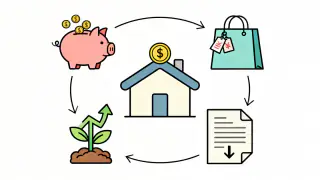
How to Prepare for Future Financial Needs Effectively

Preparing for future financial needs is an essential part of maintaining long-term financial stability. While daily expenses often demand most of our attention, planning ahead can make a significant difference when unexpected situations arise. Taking steps today to prepare for the future helps create financial security and reduces stress during uncertain times.
Many people believe that financial preparation requires complicated strategies or large amounts of money. In reality, effective preparation often begins with simple habits such as budgeting, saving consistently, and thinking carefully about long-term goals. With the right approach, anyone can gradually strengthen their financial position.
This guide explores practical strategies that can help individuals prepare for future financial needs in a thoughtful and effective way.
Understand Your Current Financial Situation
The first step toward preparing for future financial needs is understanding your current financial situation. This includes reviewing income sources, monthly expenses, debts, and existing savings. A clear financial overview allows individuals to identify opportunities for improvement and develop realistic plans.
Tracking income and expenses helps reveal spending patterns that might otherwise go unnoticed. Some expenses may be necessary, while others might offer opportunities for adjustment. Understanding these patterns helps individuals make better financial decisions.
Having a clear picture of where you stand financially makes it easier to plan for both short-term responsibilities and long-term goals.
Set Clear Financial Goals
Financial preparation becomes more effective when it is guided by clear goals. These goals provide direction and help individuals stay focused on what they want to achieve in the future.
Future financial needs may include building an emergency fund, saving for education, planning for retirement, or preparing for major life events. Defining these goals helps individuals prioritize their financial actions.
Setting realistic and measurable goals makes it easier to track progress and stay motivated throughout the planning process.
Create a Structured Budget
A well-structured budget is one of the most powerful tools for preparing for future financial needs. A budget helps individuals organize income and expenses while ensuring that important financial priorities are addressed.
By allocating funds to essential expenses, savings, and discretionary spending, individuals can maintain financial balance. Budgeting also helps prevent overspending and encourages more thoughtful financial choices.
When saving becomes part of a regular budget, preparing for future needs becomes a consistent habit rather than an occasional effort.
Build an Emergency Fund
Unexpected financial events can occur at any time. Medical expenses, home repairs, or temporary income disruptions may create financial pressure if individuals are not prepared.
An emergency fund acts as a financial safety net during these situations. Having dedicated savings for emergencies allows individuals to manage unexpected costs without relying heavily on credit or disrupting long-term financial plans.
Building an emergency fund gradually can provide valuable peace of mind and strengthen overall financial security.
Develop Consistent Saving Habits
Consistency is one of the most important factors in preparing for future financial needs. Saving regularly, even in small amounts, can create meaningful financial progress over time.
Establishing a habit of saving a portion of income each month helps individuals build financial discipline. Automated transfers to savings accounts can also support consistency by reducing the need for constant decision-making.
Over time, these consistent contributions can accumulate and provide valuable resources for future goals.
Plan for Long-Term Financial Goals
In addition to short-term financial preparation, it is important to consider long-term financial needs. These may include retirement planning, long-term investments, or preparing for significant life transitions.
Long-term financial planning often involves evaluating investment options and creating strategies that align with individual goals and risk tolerance. Diversifying financial resources may help support financial growth while managing potential risks.
Thinking about the long-term future helps ensure that financial decisions today support stability later in life.
Manage Debt Responsibly
Debt can significantly affect the ability to prepare for future financial needs. High levels of debt may limit the amount of income available for savings and long-term planning.
Managing debt responsibly involves understanding repayment obligations and creating a strategy to reduce balances over time. Prioritizing debt repayment while maintaining consistent savings can strengthen overall financial health.
Reducing debt gradually provides greater financial flexibility and allows individuals to focus more effectively on future goals.
Review Financial Plans Regularly
Financial planning is an ongoing process rather than a one-time activity. Life circumstances, income levels, and personal priorities may change over time. Reviewing financial plans periodically helps ensure that strategies remain aligned with current needs.
Regular financial reviews allow individuals to track progress, adjust goals, and refine their strategies when necessary. Small adjustments made early can help prevent larger financial challenges later.
Maintaining awareness of financial progress encourages continued commitment to long-term financial preparation.
Improve Financial Knowledge
Financial education plays an important role in effective financial planning. Learning about budgeting, saving strategies, and responsible financial management can improve decision-making.
Reliable financial information from educational resources, books, and trusted experts can help individuals develop stronger financial skills. Increased knowledge often leads to greater confidence when making financial decisions.
Investing time in financial education supports long-term financial stability and better preparation for future needs.
Think Long-Term and Stay Patient
Preparing for future financial needs is a gradual process. Progress may take time, but consistent effort can lead to meaningful results. Patience and discipline are essential components of successful financial planning.
Rather than focusing only on short-term financial outcomes, maintaining a long-term perspective helps individuals stay committed to their goals. Over time, steady progress builds a stronger financial foundation.
With thoughtful planning and consistent habits, individuals can prepare effectively for future financial needs and move toward greater financial security.