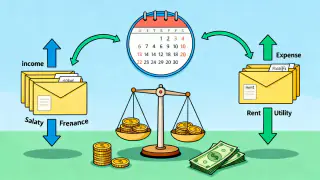
How to Review Spending Patterns Regularly for Better Budgeting

Creating a budget is an important step toward financial organization, but it is only the beginning. A budget works best when it is reviewed and adjusted regularly. Many people set a spending plan once and then forget to evaluate whether their actual spending matches their expectations. Over time, this gap between planned and real expenses can grow and make financial goals harder to reach.
Reviewing spending patterns helps people understand where their money goes each month. It reveals habits, highlights unnecessary expenses, and shows whether financial priorities are aligned with real behavior. Instead of guessing about spending, a regular review provides clear and useful insights that can lead to smarter decisions.
Whether someone wants to save more, reduce financial stress, or simply gain better control of daily expenses, reviewing spending patterns consistently can make a significant difference. Below are practical steps to review spending habits and improve budgeting over time.
Why Reviewing Spending Patterns Matters
Many financial challenges do not come from a single large expense but from small purchases that accumulate over time. Coffee, delivery fees, subscriptions, impulse shopping, and convenience spending can quietly increase monthly costs. Without reviewing spending regularly, these patterns often go unnoticed.
By analyzing transactions and categories, people gain a clearer understanding of how money is actually used. This awareness can help identify opportunities to reduce waste, adjust priorities, and allocate more funds toward savings or important goals.
Regular reviews also help detect potential problems early. If spending starts rising in certain categories, it becomes easier to correct the situation before it creates financial pressure.
Choose a Consistent Review Schedule
One of the most effective ways to manage spending is to review it on a consistent schedule. Waiting several months between reviews can make it harder to track patterns accurately. A more frequent approach keeps finances organized and easier to adjust.
Many people find that reviewing spending once a week or once a month works well. A weekly review provides quick insights and helps control impulsive spending. A monthly review offers a broader perspective and allows comparisons with the budget plan.
The most important factor is consistency. A regular habit of reviewing finances builds awareness and encourages more responsible spending decisions.
Track Every Source of Spending
To review spending effectively, it is important to consider all financial activity. This includes debit card transactions, credit card purchases, cash payments, digital wallet expenses, and automatic subscriptions. Ignoring any of these sources may lead to incomplete results.
Many people underestimate how much they spend in small daily purchases simply because they are not tracked carefully. Reviewing bank statements and transaction histories can reveal patterns that were not obvious before.
Some individuals prefer using budgeting apps or spreadsheets to organize their data, while others prefer reviewing bank statements manually. The method is less important than the habit of checking spending regularly.
Categorize Your Expenses Clearly
Once spending data is collected, categorizing expenses helps make the information easier to understand. Instead of looking at dozens of individual transactions, grouping them into categories shows where most of the money is going.
Common categories include housing, transportation, groceries, utilities, insurance, entertainment, dining out, subscriptions, and savings contributions. These groups allow people to quickly identify areas where spending may be higher than expected.
For example, someone might believe they spend very little on entertainment, but reviewing categorized data may reveal multiple streaming subscriptions and frequent restaurant visits. Clear categories make these patterns easier to recognize.
Compare Spending With Your Budget
After categorizing expenses, the next step is comparing real spending with the planned budget. This comparison reveals whether the budget is realistic and whether spending habits align with financial goals.
If spending regularly exceeds the budget in certain areas, it may signal that the budget needs adjustment or that spending habits need improvement. On the other hand, if certain categories consistently stay below the budget, that extra money could be redirected toward savings or debt reduction.
This step helps transform raw spending data into meaningful insights. Without comparison, reviewing numbers alone may not lead to useful changes.
Identify Patterns and Trends
Looking at spending across multiple weeks or months often reveals patterns that are not visible in a single review. Some expenses may increase during certain seasons, while others may fluctuate depending on lifestyle changes.
For example, transportation costs may increase during periods of frequent travel. Grocery spending may rise during holidays. Utility bills may change depending on weather conditions. Recognizing these trends helps people prepare for predictable changes.
Patterns also highlight behavioral habits. For instance, a person may notice that online shopping increases during stressful weeks or that dining out becomes more frequent on busy workdays. Recognizing these patterns allows for more intentional choices.
Watch for Hidden or Forgotten Expenses
Another benefit of reviewing spending regularly is the ability to detect hidden expenses. These can include forgotten subscriptions, duplicate services, automatic renewals, or small recurring charges that gradually add up.
Many digital services operate on monthly billing cycles that continue until canceled. Over time, these charges can accumulate without being noticed. Reviewing transaction records helps identify whether these services are still useful or necessary.
Canceling unused subscriptions or adjusting services can free up money for more important priorities.
Evaluate Needs vs. Wants
Budget reviews provide an opportunity to reflect on the difference between essential expenses and optional purchases. Essential costs typically include housing, utilities, transportation, insurance, and food. Optional spending often includes entertainment, luxury items, and impulse purchases.
This distinction does not mean optional spending should be eliminated completely. Enjoyment and personal rewards are part of a balanced lifestyle. However, reviewing spending can help ensure that these expenses remain within comfortable limits.
Understanding the difference between needs and wants helps maintain financial balance and supports long-term financial stability.
Adjust Your Budget When Necessary
A budget should not be rigid or unrealistic. As life changes, financial plans should evolve as well. Reviewing spending patterns regularly helps identify when adjustments are needed.
For example, a person who recently moved to a new home may need to increase their housing budget. Someone who began working remotely may see transportation costs decrease. A family that welcomes a new child may need to allocate more money toward childcare and household expenses.
Making thoughtful adjustments keeps the budget aligned with real life rather than forcing spending into unrealistic limits.
Set Clear Financial Goals
Spending reviews become even more meaningful when they are connected to financial goals. Without a clear purpose, budgeting may feel restrictive rather than empowering.
Common financial goals include building an emergency fund, saving for a home, preparing for retirement, reducing debt, or funding education. By reviewing spending patterns, individuals can identify areas where small adjustments may help accelerate progress toward these goals.
Even modest changes in spending habits can lead to meaningful improvements when applied consistently over time.
Use Technology to Simplify the Process
Modern financial tools can make spending reviews easier and faster. Many banking apps automatically categorize transactions and generate spending reports. Budgeting apps can provide visual charts, alerts, and summaries that highlight spending trends.
These tools reduce the time needed to track finances manually and make it easier to maintain consistent reviews. However, technology should support awareness rather than replace it. The key benefit comes from understanding the information and using it to guide decisions.
Whether using apps, spreadsheets, or simple notes, the goal is to maintain visibility over financial behavior.
Turn Reviews Into a Financial Habit
The most effective budgeting strategies are built on habits. Reviewing spending patterns once may provide temporary insight, but doing it consistently creates long-term financial awareness. Over time, this habit helps people make better financial choices automatically.
Some people schedule a specific day each week or month to review their finances. Others link the review to an existing routine, such as after receiving a paycheck or paying monthly bills. Establishing a predictable routine makes the process easier to maintain.
Financial awareness grows stronger when it becomes part of everyday life rather than an occasional task.
Building a Stronger Financial Future
Reviewing spending patterns regularly is one of the simplest and most effective ways to improve budgeting. It provides clarity, helps identify unnecessary expenses, and ensures that financial habits align with personal goals. Without regular reviews, it becomes easy to lose track of how money is being used.
By tracking transactions, categorizing expenses, comparing spending with the budget, and adjusting plans when necessary, individuals can maintain better control of their finances. This process does not require complicated tools or advanced financial knowledge. What matters most is consistency and awareness.
Over time, regular spending reviews can lead to stronger financial stability, better savings habits, and more confident financial decision-making.