Smart Budgeting Strategies to Boost Your Financial Health

A well-structured budget does more than track spending. It helps identify financial priorities, supports saving goals, and allows people to make more confident financial decisions. When budgeting becomes part of a consistent routine, it becomes easier to maintain financial balance and prepare for future opportunities.
This article explores practical budgeting strategies that can strengthen financial health and support long-term financial stability.
Understand Your Current Financial Situation
Before creating a budget, it is important to understand your current financial situation. This means reviewing income sources, monthly expenses, debts, and savings. Having a clear overview of these elements provides a solid starting point for building a realistic budget.
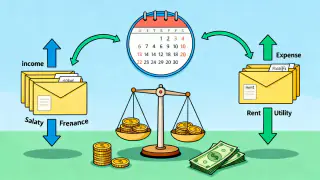
Begin by listing all sources of income, including salary, freelance work, or other earnings. Then review regular expenses such as housing, utilities, transportation, groceries, and insurance. Identifying where money currently goes helps reveal spending patterns that may not be obvious at first.
Understanding your financial picture makes it easier to create a budget that reflects real life rather than unrealistic expectations.
Set Clear Financial Priorities
Budgeting becomes more effective when it is connected to clear financial priorities. These priorities can include building savings, paying down debt, preparing for large purchases, or creating financial security.
When individuals define their financial priorities, it becomes easier to allocate money accordingly. Instead of spending without direction, each portion of income can be assigned a purpose that supports long-term financial goals.
Clear priorities also help reduce unnecessary spending. When financial decisions align with personal goals, individuals are more likely to stay committed to their budgeting plans.
Create a Realistic Monthly Budget
A successful budget must reflect realistic spending patterns. Many people abandon their budgets because they are too strict or fail to account for everyday needs. A balanced approach is more sustainable and easier to maintain over time.
A practical budget typically includes categories for essential expenses, savings contributions, and discretionary spending. Essential expenses may include housing, food, transportation, and utilities. Discretionary spending can cover entertainment, hobbies, or personal purchases.
Allowing space for flexibility helps prevent frustration and makes the budgeting process feel more manageable.
Track Spending Regularly
Tracking expenses is one of the most powerful budgeting strategies. When individuals monitor where their money goes, they gain valuable insight into their financial habits. This awareness can reveal opportunities to reduce unnecessary spending.
Expense tracking does not have to be complicated. Many people use budgeting apps, spreadsheets, or simple notes to record purchases. What matters most is consistency.
Regular tracking allows individuals to adjust their budgets as needed and ensures that spending remains aligned with financial priorities.
Build a Habit of Saving First
One effective budgeting strategy is prioritizing savings before discretionary spending. Instead of waiting to see how much money remains at the end of the month, individuals can allocate a portion of their income to savings immediately.
This approach helps build a consistent saving habit and reduces the temptation to spend money that could support future goals. Even modest savings contributions can grow significantly over time when maintained consistently.
Saving first reinforces the idea that financial stability should be treated as a priority rather than an afterthought.
Reduce Unnecessary Expenses
Many budgets reveal small expenses that gradually add up over time. These may include unused subscriptions, frequent impulse purchases, or convenience spending that occurs without much thought.
Reviewing these patterns can help identify areas where adjustments may be beneficial. Reducing unnecessary expenses does not mean eliminating all forms of enjoyment. Instead, it involves making thoughtful choices about how money is spent.
By redirecting small savings from unnecessary spending into more meaningful financial goals, individuals can strengthen their overall financial health.
Plan for Irregular Expenses
Some expenses do not occur every month but still require financial preparation. Examples may include annual insurance payments, seasonal costs, home maintenance, or special events.
Including these irregular expenses in a budgeting plan helps prevent financial surprises. Setting aside small amounts regularly can help cover these costs when they arise.
Planning for occasional expenses ensures that a budget remains stable and reduces the risk of financial stress.
Review and Adjust Your Budget Periodically
Budgets should evolve as financial situations change. Income levels, lifestyle choices, and personal priorities may shift over time. Reviewing a budget regularly helps ensure that it continues to reflect current circumstances.
Periodic reviews allow individuals to evaluate progress toward financial goals and identify opportunities for improvement. Adjustments may include increasing savings contributions, reallocating spending categories, or refining financial priorities.
A flexible budgeting approach supports long-term financial success by adapting to life changes.
Develop Consistent Financial Habits
Strong financial health often depends on daily habits rather than occasional financial decisions. Budgeting works best when it becomes part of a routine that supports responsible money management.
Simple habits such as reviewing spending weekly, comparing prices before large purchases, and avoiding impulsive decisions can strengthen financial discipline. Over time, these habits contribute to improved financial stability.
Consistency helps ensure that budgeting remains a useful tool rather than a temporary effort.
Focus on Long-Term Financial Well-Being
Budgeting strategies are most effective when viewed as part of a broader financial journey. While short-term budgeting decisions are important, maintaining a long-term perspective helps individuals remain committed to their financial goals.
Financial health involves balancing current needs with future security. By combining responsible spending, consistent saving, and thoughtful planning, individuals can gradually build a stronger financial foundation.
Over time, smart budgeting strategies create greater financial confidence and open the door to new opportunities.
Building a Stronger Financial Future
Smart budgeting strategies provide a practical path toward improved financial health. By understanding income and expenses, setting clear priorities, and maintaining consistent financial habits, individuals can gain greater control over their finances.
Budgeting does not require perfection or complicated systems. What matters most is creating a plan that reflects real-life circumstances and supports long-term financial goals.
With patience, awareness, and consistent effort, budgeting can become a powerful tool for building financial stability and achieving greater peace of mind.