Understanding Personal Cash Flow: A Clear Guide for Everyone

Managing money effectively begins with understanding how it moves through your daily life. This movement of money—what comes in and what goes out—is known as personal cash flow.
While the term may sound technical, the concept is actually simple and highly useful for anyone who wants to improve their financial habits.Personal cash flow helps individuals see exactly how income is used each month.
By tracking the flow of money, it becomes easier to identify spending patterns, adjust financial plans, and work toward long-term financial stability.This guide explains what personal cash flow is, why it matters, and how anyone can manage it more effectively.
What Is Personal Cash Flow?
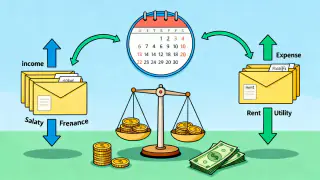
Personal cash flow refers to the movement of money into and out of an individual’s finances during a specific period, typically a month. It includes all income received and all expenses paid.
Income may come from salaries, freelance work, small business activities, or other financial sources. Expenses include everything from essential costs like housing and groceries to optional spending such as entertainment or hobbies.
When income is greater than expenses, a person has positive cash flow. When expenses exceed income, it results in negative cash flow. Understanding this balance is key to effective money management.
Why Cash Flow Awareness Is Important
Many financial challenges arise simply because people are not fully aware of how their money is being used. Tracking cash flow provides clarity about financial habits and spending behavior.
When individuals understand their cash flow, they can make better financial decisions. They can identify unnecessary expenses, increase savings opportunities, and ensure that essential needs are consistently covered.
Cash flow awareness also reduces financial stress by giving people a clearer sense of control over their finances.
The Two Main Parts of Cash Flow
Personal cash flow is made up of two basic components: income and expenses. Both are equally important when analyzing financial behavior.
Income
Income represents the money entering your financial system. This may include wages, salaries, freelance payments, rental income, or other earnings.
Understanding your total monthly income is the first step in managing cash flow. It provides the foundation for budgeting and financial planning.
Expenses
Expenses represent the money leaving your finances. These costs may include housing, utilities, groceries, transportation, healthcare, education, and other daily expenses.
Expenses can usually be divided into two categories: fixed and variable. Fixed expenses tend to remain stable each month, while variable expenses may change depending on spending habits.
Recognizing these categories helps individuals better understand how their money is distributed.
Positive vs. Negative Cash Flow
Cash flow can either be positive or negative depending on the balance between income and expenses.
Positive cash flow occurs when income exceeds expenses. This situation allows individuals to save money, invest in future goals, or build financial security.
Negative cash flow happens when expenses are greater than income. Over time, this imbalance can lead to financial stress if not addressed.
The goal of personal financial management is usually to maintain a positive and sustainable cash flow.
How to Track Personal Cash Flow
Tracking cash flow does not require complex financial tools. Simple methods can provide valuable insights into spending patterns and financial habits.
One approach is to record all sources of income and all expenses for a specific period, such as a month. This record can be kept in a notebook, spreadsheet, or financial app.
Once the information is collected, comparing income and expenses reveals whether your cash flow is balanced.
Regular tracking allows individuals to monitor changes and make adjustments when necessary.
Identifying Spending Patterns
Tracking cash flow often reveals patterns that may not have been obvious before. For example, small daily purchases can accumulate into larger monthly expenses.
By identifying these patterns, individuals can decide whether certain spending habits support their financial goals or create unnecessary pressure on their budgets.
This awareness provides an opportunity to adjust spending behaviors and improve financial balance.
Improving Personal Cash Flow
Improving cash flow typically involves either increasing income, reducing expenses, or both. Many people begin by reviewing their spending habits and identifying areas where adjustments can be made.
Simple changes such as planning purchases, reviewing subscriptions, or prioritizing essential expenses can help create a healthier financial balance.
On the income side, individuals may explore opportunities to improve earning potential through professional development or additional work opportunities.
Small improvements made consistently can strengthen personal cash flow over time.
The Role of Budgeting in Cash Flow Management
A budget is one of the most effective tools for managing personal cash flow. It provides a structured plan for allocating income toward different financial needs.
Budgets typically include categories for essential expenses, savings, and discretionary spending. By assigning limits to each category, individuals can maintain better control over their finances.
Regularly reviewing and updating a budget helps ensure that cash flow remains balanced as circumstances change.
Building Financial Stability Through Cash Flow Awareness
Understanding personal cash flow is an essential step toward financial stability. When individuals know how their money moves, they gain the ability to make informed and confident financial decisions.
Tracking income and expenses, identifying spending patterns, and adjusting financial plans when necessary all contribute to stronger money management.
With consistent attention and practical habits, anyone can improve their understanding of personal cash flow and create a more balanced financial future.