Applying for a loan can be a straightforward process when you are well prepared. One of the most important steps before submitting a loan application is gathering the required documents. Lenders use these documents to verify your identity, evaluate your financial stability, and determine whether you are eligible for the loan.
Many loan applications are delayed or rejected simply because applicants do not provide the correct documentation. Understanding what lenders typically require can help streamline the process and improve your chances of approval.
In this guide, you will learn about the most common documents required for a loan application, why lenders ask for them, and how to prepare your paperwork efficiently.
Why Lenders Require Documentation
Before approving a loan, lenders must assess the level of risk involved in lending money to a borrower. Documentation allows them to verify key information about the applicant, including identity, income, employment, and financial responsibilities.
These documents help lenders determine whether the borrower has the financial capacity to repay the loan according to the agreed terms. They also help prevent fraud and ensure compliance with financial regulations.
By reviewing accurate documentation, lenders can make more informed decisions while borrowers demonstrate their financial reliability.
1. Proof of Identity
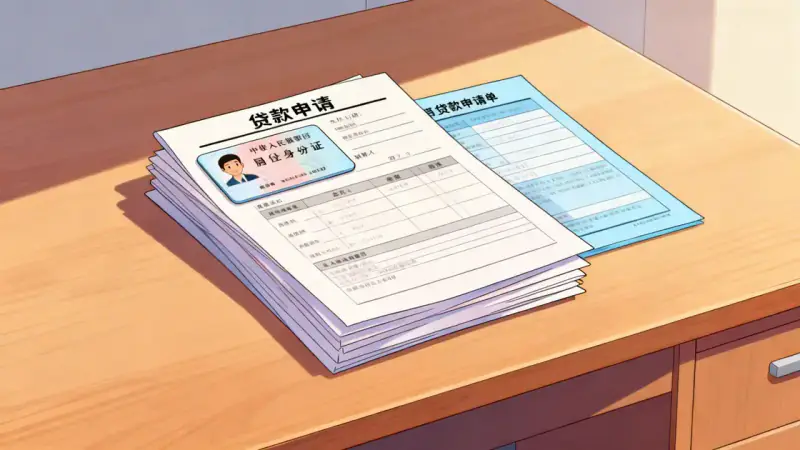
One of the first documents lenders require is proof of identity. This helps confirm that the person applying for the loan is who they claim to be. Identity verification is an important step in preventing fraud and ensuring the security of financial transactions.
Common forms of identification may include:
- Government-issued ID card
- Passport
- Driver’s license
- National identification card
The identification document must usually be valid and contain a clear photograph and signature. Some lenders may request additional verification steps depending on their policies.
2. Proof of Income
Lenders need to confirm that borrowers have a reliable source of income that allows them to repay the loan. Proof of income is therefore one of the most important components of a loan application.
The type of document required may depend on the applicant’s employment status. Common examples include:
- Recent pay stubs
- Bank statements showing salary deposits
- Tax returns
- Employment income statements
- Profit records for self-employed individuals
Providing accurate and consistent income documentation helps lenders evaluate the borrower’s ability to manage monthly loan payments.
3. Employment Verification
In addition to income documentation, many lenders request proof of employment. This helps confirm job stability and income reliability.
Employment verification may include documents such as:
- An employment letter from the employer
- Recent pay slips
- Employment contracts
- Company contact information for verification
For self-employed individuals, lenders may request business registration documents, tax filings, or financial statements that demonstrate consistent income.
4. Bank Statements
Bank statements provide lenders with a detailed overview of a borrower’s financial activity. These statements help verify income deposits, regular expenses, and overall financial behavior.
Most lenders request bank statements from the past three to six months. These records allow them to evaluate spending patterns, financial stability, and existing obligations.
Providing complete and accurate bank statements helps lenders gain confidence in the applicant’s financial profile.
5. Credit History Information
While borrowers may not always need to provide this document directly, lenders typically review credit history during the loan evaluation process. Credit history helps lenders understand how an individual has managed credit and debt in the past.
A positive credit record that shows consistent payments and responsible borrowing behavior may improve loan approval chances and lead to more favorable terms.
If applicants are aware of their credit standing before applying, they may be better prepared to discuss their financial profile with the lender.
6. Proof of Address
Many lenders also require documentation that confirms the applicant’s current residential address. This helps verify identity and establish communication details.
Examples of acceptable proof of address may include:
- Utility bills
- Lease agreements
- Mortgage statements
- Official government correspondence
The document typically needs to display the borrower’s name and current address and must be relatively recent.
7. Information About Existing Debts
Lenders often request information about a borrower’s existing financial obligations. This may include details about other loans, credit cards, or regular debt payments.
Understanding current debt levels helps lenders evaluate the borrower’s debt-to-income ratio, which indicates how much of their income is already committed to debt repayment.
Providing accurate information about existing debts helps lenders assess whether the new loan is financially manageable.
8. Collateral Documentation (If Required)
Some loans require collateral, which is an asset used to secure the loan. If the borrower cannot repay the loan, the lender may have the right to claim the collateral.
When collateral is required, lenders may request documentation such as:
- Property ownership documents
- Vehicle registration papers
- Asset valuation reports
These documents confirm ownership and allow lenders to evaluate the value of the asset being used as security.
How to Prepare Your Documents Efficiently
Preparing documents in advance can significantly simplify the loan application process. Applicants can begin by reviewing lender requirements and organizing all necessary documents in one place.
Ensuring that documents are up to date, legible, and accurate helps prevent delays during the approval process. Digital copies may also be useful for online loan applications, which are increasingly common.
Being organized demonstrates responsibility and can contribute to a smoother experience for both the borrower and the lender.
Common Mistakes to Avoid During the Application Process
Some applicants make mistakes that can delay their loan application. One common issue is submitting incomplete documentation. Missing documents often require additional requests from the lender, which slows down the process.
Another mistake is providing outdated or inconsistent information. Documents that do not match the details listed in the application may raise questions and require further verification.
Reviewing all documents carefully before submission can help avoid these problems and improve the efficiency of the application process.
Preparing for a Successful Loan Application
Understanding what documents are needed for a loan application can make the borrowing process much smoother. By preparing identification, income verification, bank statements, and other supporting documents in advance, applicants can demonstrate financial responsibility and improve their chances of approval.
Each lender may have slightly different documentation requirements, so reviewing their guidelines carefully is always recommended. Being organized, transparent, and prepared helps create a positive impression and speeds up the approval process.
With the right preparation and a clear understanding of the documentation required, borrowers can approach the loan application process with greater confidence and efficiency.